
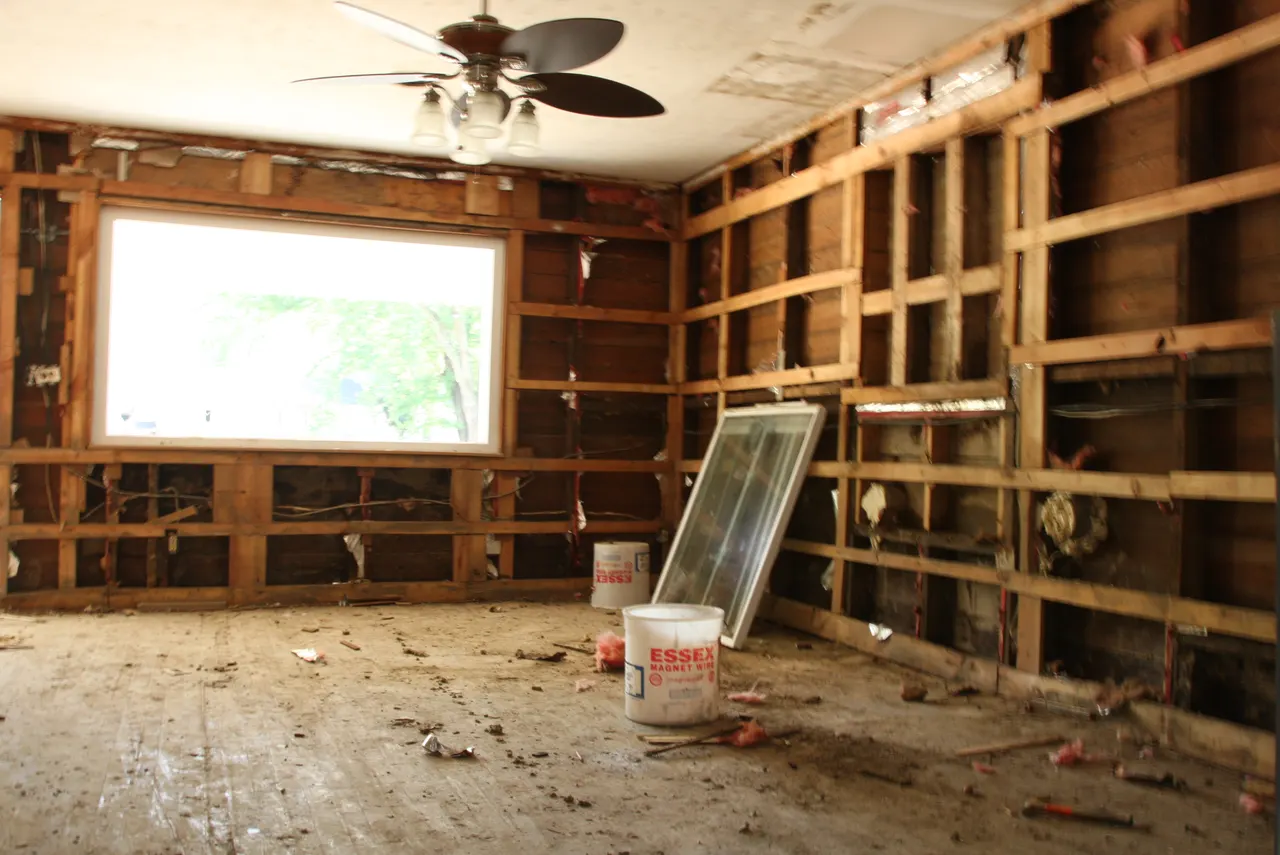
Start with safe access
Do not enter standing water where electrical, structural or contamination risks are uncertain. Describe the situation from a safe location and follow public emergency directions. A restoration inquiry is not utility clearance or emergency response.
Describe the water source
Say whether the water followed an indoor leak, outside stormwater or a sewer backup. If you do not know, say so. Those categories affect what the receiving business must evaluate; the appearance of water is not a reliable contamination test.
Name what removal includes
Ask which rooms and surfaces are included, how belongings or fixed cabinets affect access and whether removal of saturated materials is separate. An extraction task removes accessible water; it does not prove wall cavities or floor layers are dry.
Plan the handoff to drying
Request an explanation of moisture measurements, monitoring and follow-up after extraction. The work may need drying and separate repairs. Ask who owns each step, how equipment access will work and what records you will receive.
Give useful Denver access details
A below-grade room can require stair access; a condo may need elevator booking or management approval. Explain those facts before arranging an assessment. Do not carry damaged electrical equipment or enter a flooded basement to gather photographs.
Confirm the proposed charge
Separate assessment, extraction, material removal, equipment and repeat visits in the written scope. Confirm actual availability and authorization before work begins. A phone discussion does not establish a finished estimate or guaranteed address eligibility.
Questions that make the estimate clearer
- Which materials and rooms are included?
- Who repairs the source and who handles reconstruction?
- How are changes, monitoring and completion documented?