
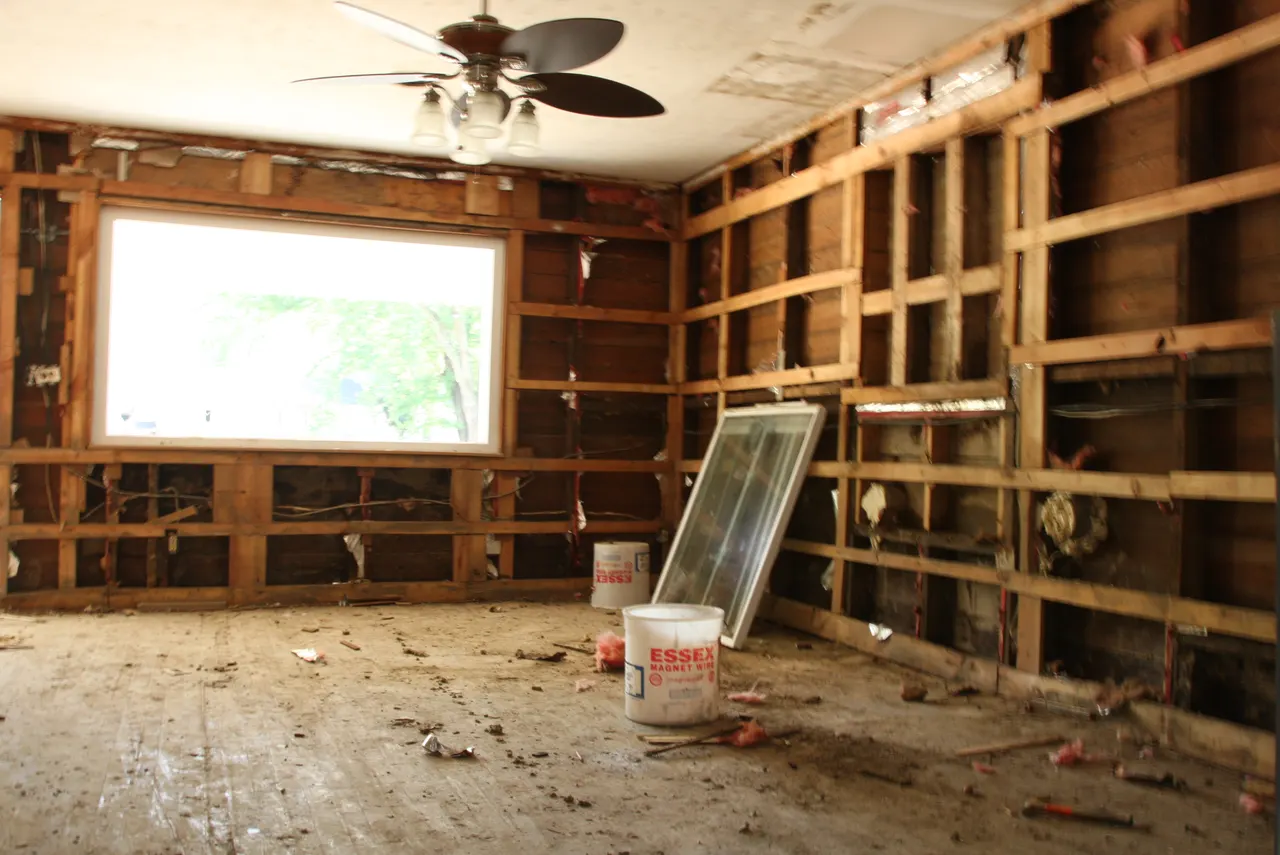
Follow public safety directions first
Never walk or drive into floodwater. Follow evacuation and utility instructions and avoid unsafe standing water inside a building. A restoration conversation does not replace emergency services or an on-site safety determination.
Explain outside entry points
From a safe place, note where water appeared and whether the event involved street water, a window well or another opening. Do not use that observation to assign municipal responsibility. Interior cleanup and public drainage are different inquiries.
Confirm this water source is accepted
Ask whether the receiving business handles the described floodwater and contamination concerns. General water-damage eligibility does not establish acceptance of every sewage or hazardous-material job. Obtain confirmation for the actual source.
Separate removal, cleaning and drying
Request a written explanation of affected materials, contents responsibilities, disposal, drying and repair exclusions. Ask what safety or access clearance is required before work and what condition the room will be left in.
Prepare an address-specific Denver inquiry
Use the exact street address and identify the property jurisdiction. Flood maps and weather information provide context, not proof that a specific property is safe or eligible. Ask the relevant local authority about public infrastructure concerns.
Keep insurance outcomes uncertain
Preserve available records from a safe location and consult your insurer about reporting and documentation. Do not assume a policy pays for every water source or that a contractor discussion approves a claim. Confirm the scope independently.
Questions that make the estimate clearer
- Which materials and rooms are included?
- Who repairs the source and who handles reconstruction?
- How are changes, monitoring and completion documented?