
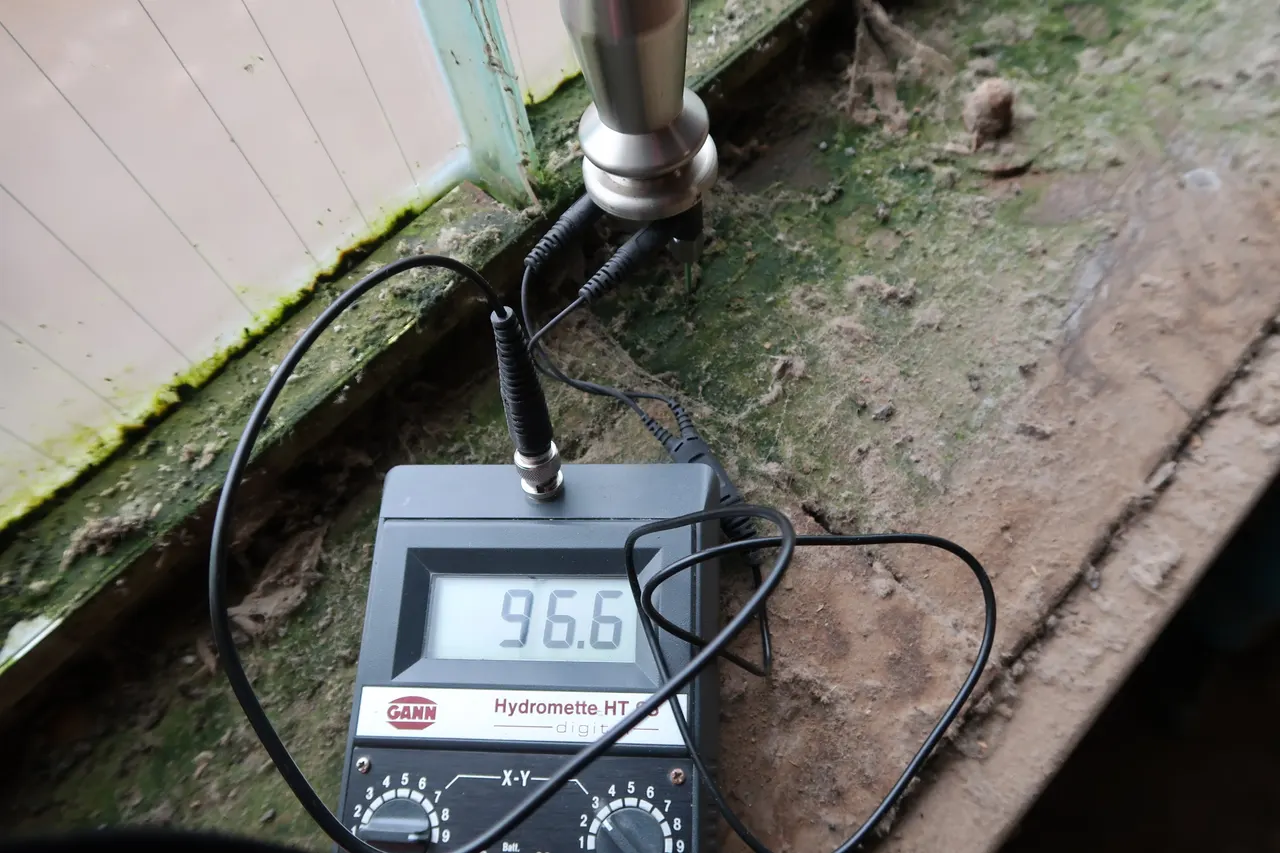
Describe the concern without diagnosing it
Explain visible growth, odors, recent leaks and areas that remain damp. This website does not identify mold species or diagnose health effects. Avoid disturbing suspected growth to gather more information; discuss personal health concerns with a clinician.
Ask how moisture will be addressed
A remediation conversation should consider the source of dampness as well as affected materials. Ask who handles the source repair and whether it is part of the proposal. A cleanup scope alone does not establish that the cause has been corrected.
Define the work boundaries
Confirm the rooms and materials included, any proposed containment or removal, disposal and repair responsibilities. Ask what happens if concealed damage changes the scope. Obtain written authorization terms rather than assuming a broad package.
Confirm service and property fit
Water, fire and mold appear in the recorded offer category, but the receiving business must confirm your exact work. Describe access restrictions, rented space and shared walls. The site makes no whole-city, every-job or guaranteed remediation claim.
Request completion information
Ask what documentation, follow-up or testing is proposed and who provides it. Do not treat a photograph, odor change or fixed time period as proof of a safe outcome. Discuss any unresolved conditions with the appropriate qualified professional.
Use primary guidance for preparation
EPA guidance explains the relationship between mold and moisture and provides cleanup resources. Use it to prepare questions, not as a substitute for property assessment. This site does not prescribe hazardous cleanup, chemical mixing or health treatments.
Questions that make the estimate clearer
- Which materials and rooms are included?
- Who repairs the source and who handles reconstruction?
- How are changes, monitoring and completion documented?