
Access clearance comes first
Follow fire department, utility and public-safety directions. A restoration inquiry does not certify that a damaged building is safe to enter. Do not return to obtain photographs or belongings when access remains restricted. Describe known conditions from a safe location.
Explain the reported loss
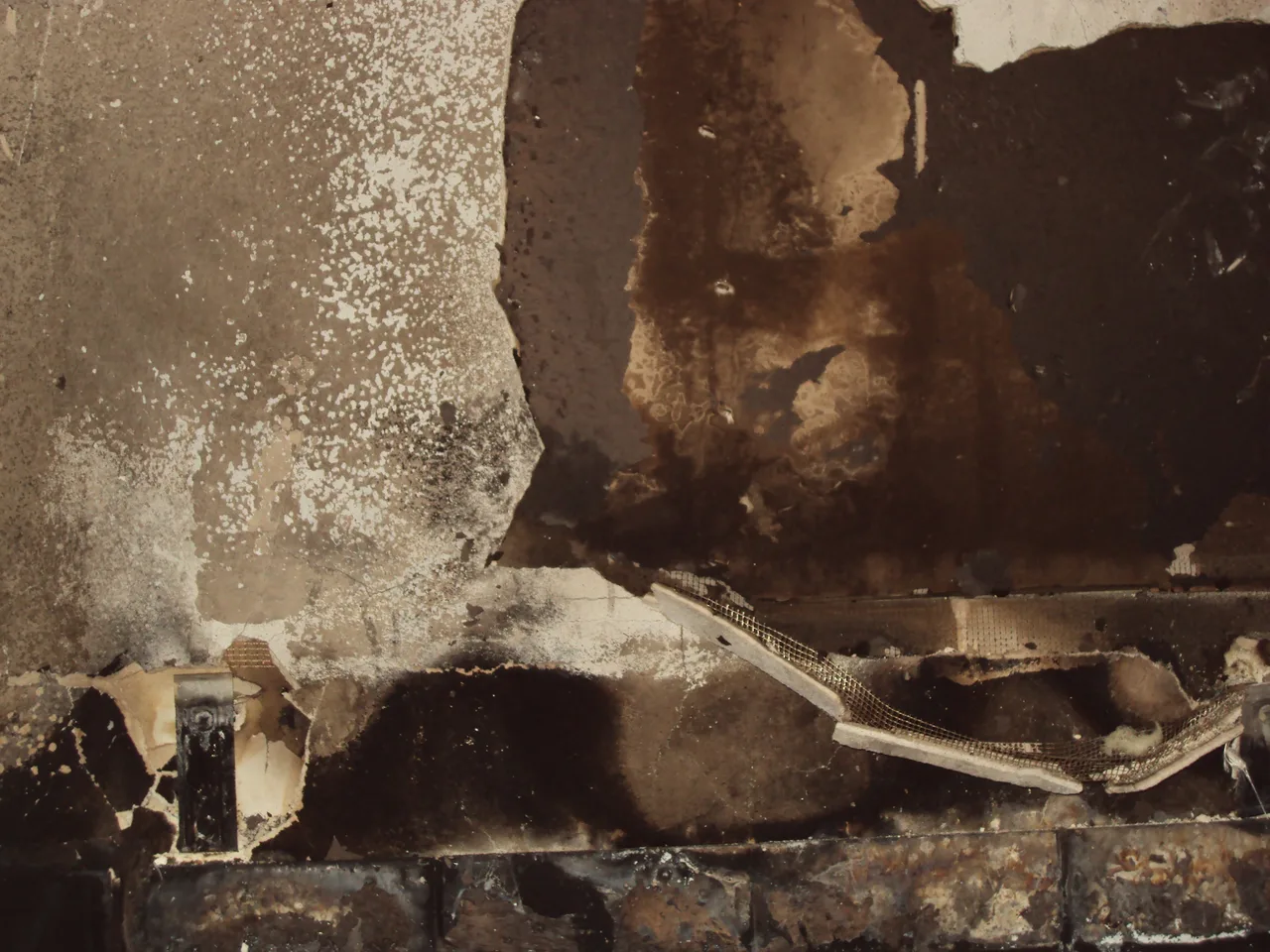
Tell the business whether the concern includes fire-affected rooms, smoke residues or water introduced during response. The offer category includes fire restoration, but the receiving business must confirm the actual work and address. Avoid assuming every contents-cleaning or hazardous-material task is included.
Separate the service responsibilities
Ask who evaluates building materials, who handles any water-damage drying and who coordinates reconstruction. Contents, electrical work, structural decisions and repairs may require separate professionals or agreements. Request a written explanation of inclusions and exclusions.
Ask how findings change the proposal
Damage may remain inaccessible at the initial conversation. Ask how later findings are recorded, priced and authorized. A restoration estimate is not a building-engineering report, safety clearance or insurance payment decision.
Prepare Denver building access details
For a multi-unit Denver property, identify the manager, affected unit and access restrictions supplied by the relevant authority. Shared spaces can require separate approval. The location map provides orientation and does not mark a restoration office.
Document the handoff
Confirm completion records and the condition in which the property will be handed to the next trade. Keep insurer reporting requirements and authority directions beside the work proposal. This site guarantees neither remediation outcomes nor a return-to-property date.
Questions that make the estimate clearer
- Which materials and rooms are included?
- Who repairs the source and who handles reconstruction?
- How are changes, monitoring and completion documented?