
Record what you know about the leak
Note discovery time, affected rooms and whether the source has been addressed by the responsible professional. Do not guess how long concealed materials have been wet. A clear timeline helps the assessment without claiming a diagnosis.
Keep plumbing and restoration separate
Ask who repairs the failed pipe and who handles wet materials. Restoration scope does not automatically include pipe replacement, electrical work or finished-room reconstruction. Confirm responsibilities and authorizations for each trade.
Describe the path of water
Water can be observed on a ceiling below an upper room or beside cabinetry. Describe the visible locations and adjacent spaces. Do not cut openings or disturb suspected mold to trace the path yourself.
Ask about material evaluation
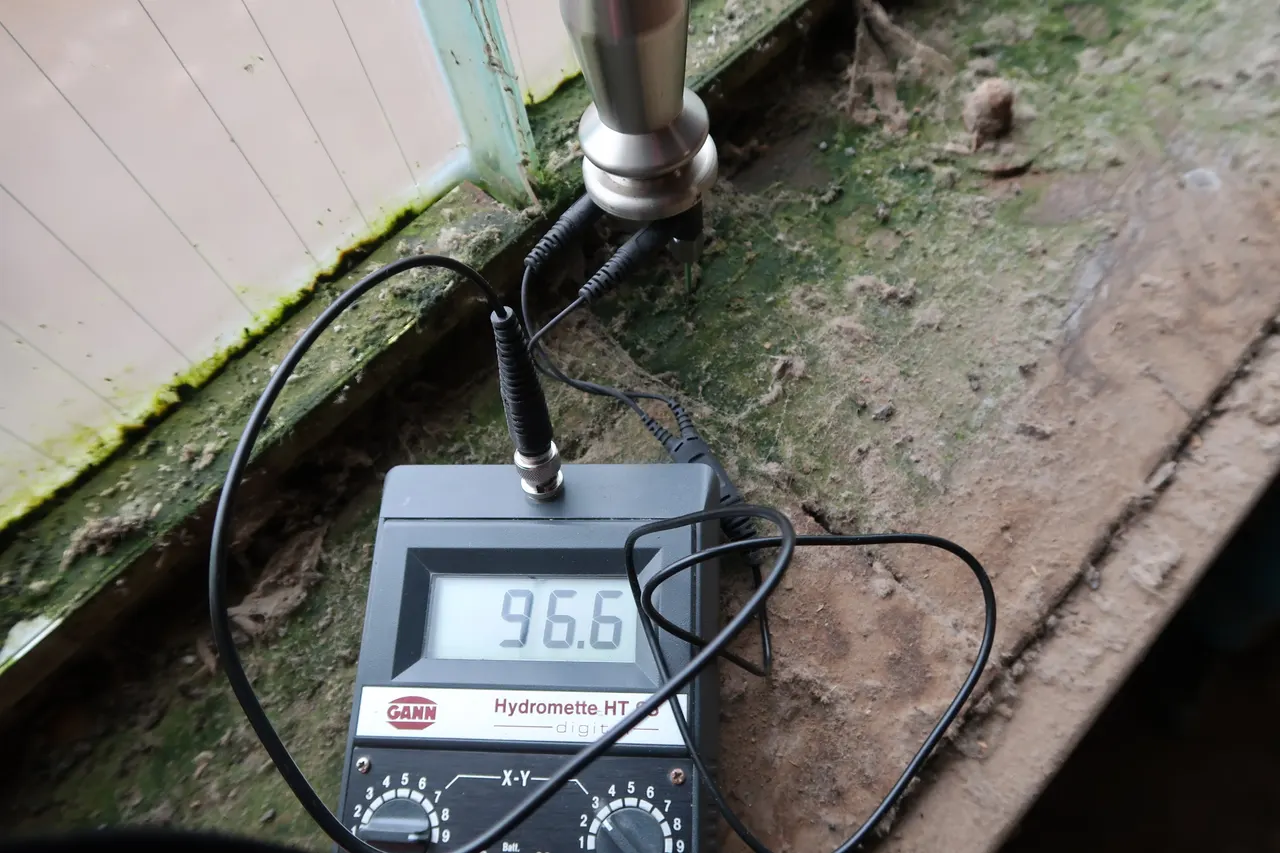
Confirm which accessible wall and flooring layers will be measured, whether removal is proposed and how findings will be documented. Drying feasibility depends on materials and the assessment, not merely on stopping the leak.
Use winter context carefully
The Denver/Boulder weather office provides current winter conditions. A cold period can be useful timing context for a reported leak, but it cannot prove freezing caused your pipe failure. Tell the business what changed and let the appropriate professional determine the cause.
Prepare access and estimate questions
Identify the owner or manager who can approve work, provide available plumber records and ask for separate drying and repair lines. Confirm actual appointment availability and any assessment charge before arranging a visit.
Questions that make the estimate clearer
- Which materials and rooms are included?
- Who repairs the source and who handles reconstruction?
- How are changes, monitoring and completion documented?